
Few video game protagonists feel as authentic and relatable as Mae Borowski, the central character of Night in the Woods. Unlike traditional heroes who embark on grand adventures to save worlds or defeat villains, Mae’s struggle is intensely personal. She is a young adult returning home after dropping out of college, uncertain about her future and disconnected from the expectations placed upon her. Through Mae, Night in the Woods delivers one of gaming’s most honest portrayals of a quarter-life crisis, exploring themes of identity, mental health, friendship, and the fear of growing up.
Years after its release, Mae remains one of the most memorable characters in indie gaming because her experiences reflect the realities faced by many young adults navigating the transition between adolescence and adulthood.
Returning Home Without a Plan
When players first meet Mae, she has already made a life-changing decision: she has dropped out of college and returned to her hometown of Possum Springs. While many coming-of-age stories focus on moving forward, Mae’s journey begins with what feels like a step backward.
She arrives home carrying uncertainty, embarrassment, and confusion. Friends and family expect explanations, but Mae herself struggles to understand why she left school. She knows something is wrong, yet she cannot fully articulate it. This uncertainty forms the foundation of her character and immediately makes her relatable to anyone who has felt lost during a major life transition.
For many young adults, the period after high school or college is filled with pressure to have everything figured out. Mae challenges this expectation by showing that confusion and self-doubt are often part of the process.
The Fear of Growing Up
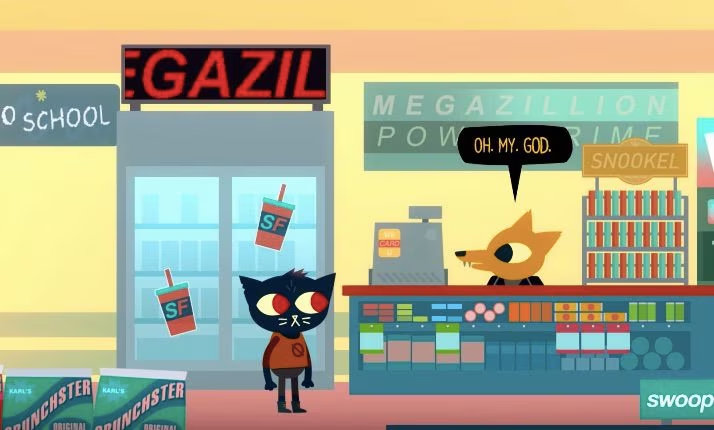
One of the strongest themes in Night in the Woods is the fear of adulthood. Mae desperately wants life to stay the way it was when she was younger. She reconnects with old friends, revisits familiar places, and clings to memories of a simpler time.
However, Possum Springs has changed. Her friends have jobs, responsibilities, and personal struggles. Some are planning for the future, while others are simply trying to survive. Mae slowly realizes that she cannot return to the past, no matter how much she wants to.
This conflict captures a common experience among people in their twenties. The transition into adulthood often involves mourning the loss of childhood certainty while learning to navigate a more complicated world. Mae’s resistance to change reflects a fear shared by many players.
Mental Health at the Center of the Story
Unlike many games that treat mental health as a side issue, Night in the Woods places it at the heart of Mae’s journey. Throughout the story, players learn that Mae has struggled with psychological challenges that affect how she sees the world and interacts with others.
The game never presents these struggles as something simple or easily solved. Instead, it portrays mental health as an ongoing reality that influences relationships, decision-making, and self-perception. Mae’s experiences feel authentic because they avoid dramatic clichés and focus on the everyday challenges of living with emotional uncertainty.
This thoughtful representation has resonated deeply with players who rarely see their own experiences reflected so honestly in games.
Friendship as a Source of Stability
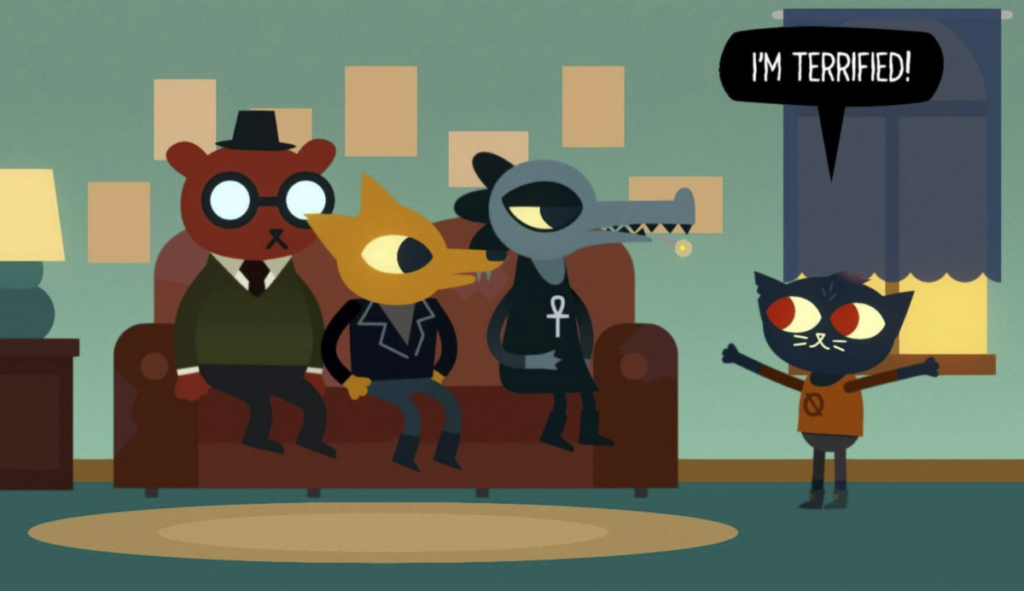
Although Mae spends much of the story feeling disconnected, her friendships play a crucial role in her growth. Characters like Gregg, Bea, Angus, and Germ each offer different perspectives on adulthood and responsibility.
Gregg embraces chaos and spontaneity, while Bea is burdened by obligations she never wanted. Angus represents stability and emotional maturity, while Germ provides a unique outlook on life. Through these relationships, Mae begins to understand that everyone is dealing with their own struggles.
The game suggests that friendship is not about solving each other’s problems. Instead, it is about showing up, listening, and supporting one another through difficult periods. This message gives Night in the Woods much of its emotional power.
The Decline of Small-Town Life
Mae’s personal crisis is closely tied to the decline of Possum Springs itself. Factories have closed, businesses struggle to survive, and opportunities are increasingly limited. The town mirrors Mae’s uncertainty about the future.
This connection between personal and economic struggles adds depth to the story. Mae is not simply dealing with individual problems; she is also living in a community facing broader challenges. The result is a narrative that feels grounded and socially relevant.
By connecting Mae’s journey to the changing reality of small-town America, Night in the Woods creates a story that resonates on both personal and cultural levels.
Why Mae Continues to Resonate
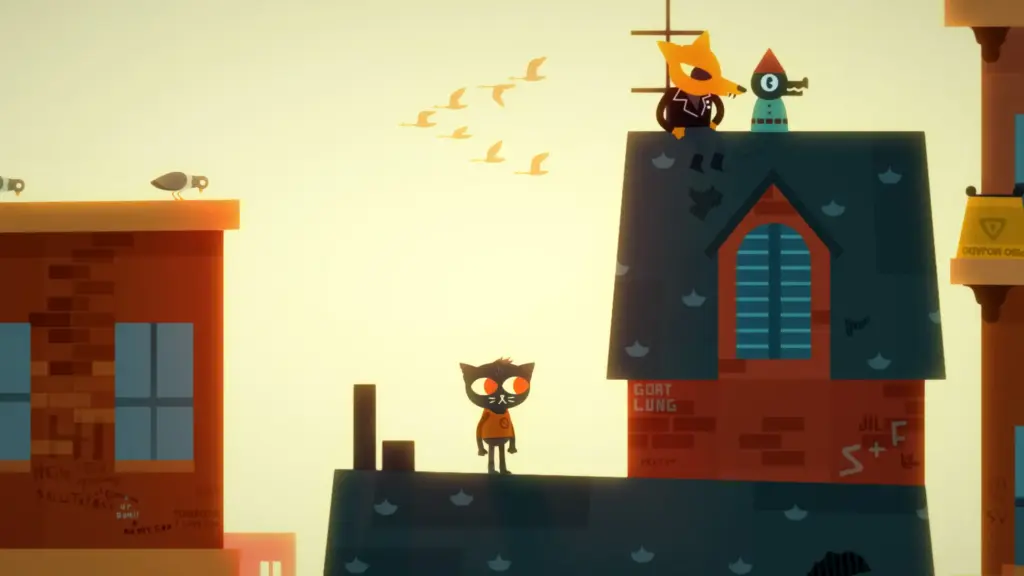
Many protagonists are memorable because they are extraordinary. Mae is memorable because she feels real. She makes mistakes, avoids difficult conversations, acts impulsively, and struggles to understand herself. Yet beneath her flaws is a genuine desire to find meaning and connection.
Players see themselves in Mae because her problems are recognizable. Questions about identity, purpose, relationships, and the future do not disappear after adolescence. In many ways, they become even more complicated during young adulthood.
Mae’s story reminds players that uncertainty is not failure. Growing up is rarely a straight path, and finding your place in the world often takes longer than expected.
Final Thoughts
Mae Borowski’s journey in Night in the Woods is one of the most honest portrayals of a quarter-life crisis in modern gaming. Through her struggles with identity, mental health, friendship, and the fear of adulthood, the game captures emotions that many players know all too well. Her story proves that meaningful adventures do not always involve saving the world—sometimes they involve learning how to move forward when life feels uncertain.
👉 If Night in the Woods and Mae’s unforgettable journey have left a lasting impact on you, explore Night in the Woods–inspired merchandise, apparel, and collectibles at nightinthewoods.store and celebrate a game that continues to connect with players through its heartfelt storytelling and deeply human characters.
